If your dog is suddenly having diarrhea, it is natural to worry and wonder what to do next. Digestive upsets are among the most common reasons dog owners seek veterinary care at Pacific Grove Animal Hospital. Whether your dog is experiencing a single loose stool or ongoing symptoms, understanding what causes dog diarrhea, steps you can take at home, and when it is time to call your veterinarian is essential. In this guide, we will walk you through the most common causes of diarrhea in dogs, highlight at-home care tips, explain when to seek professional help, and show how our veterinary team in 1023 Austin Avenue, Pacific Grove, CA 93950 helps dogs recover. If you are searching for answers about dog diarrhea in Pacific Grove and surrounding communities, you are in the right place.
Recognizing Dog Diarrhea: What Counts as an Emergency?
Dog diarrhea can range from a mild, self-limiting issue to a sign of a more serious health condition. Not all soft stools require a trip to the vet, but knowing when to be concerned can protect your dog’s health.
Symptoms and Warning Signs
While the occasional loose stool is common, certain symptoms suggest a need for prompt attention. Watch for frequent, watery stools; diarrhea that lasts more than 24-48 hours; blood or mucus in the stool; vomiting, lethargy, or loss of appetite; straining or obvious discomfort; and dehydration, which may be seen as sunken eyes, dry gums, or skin that does not quickly return to position when gently pinched. Puppies, senior dogs, and those with chronic health conditions are more vulnerable to complications from diarrhea and may need veterinary care sooner.
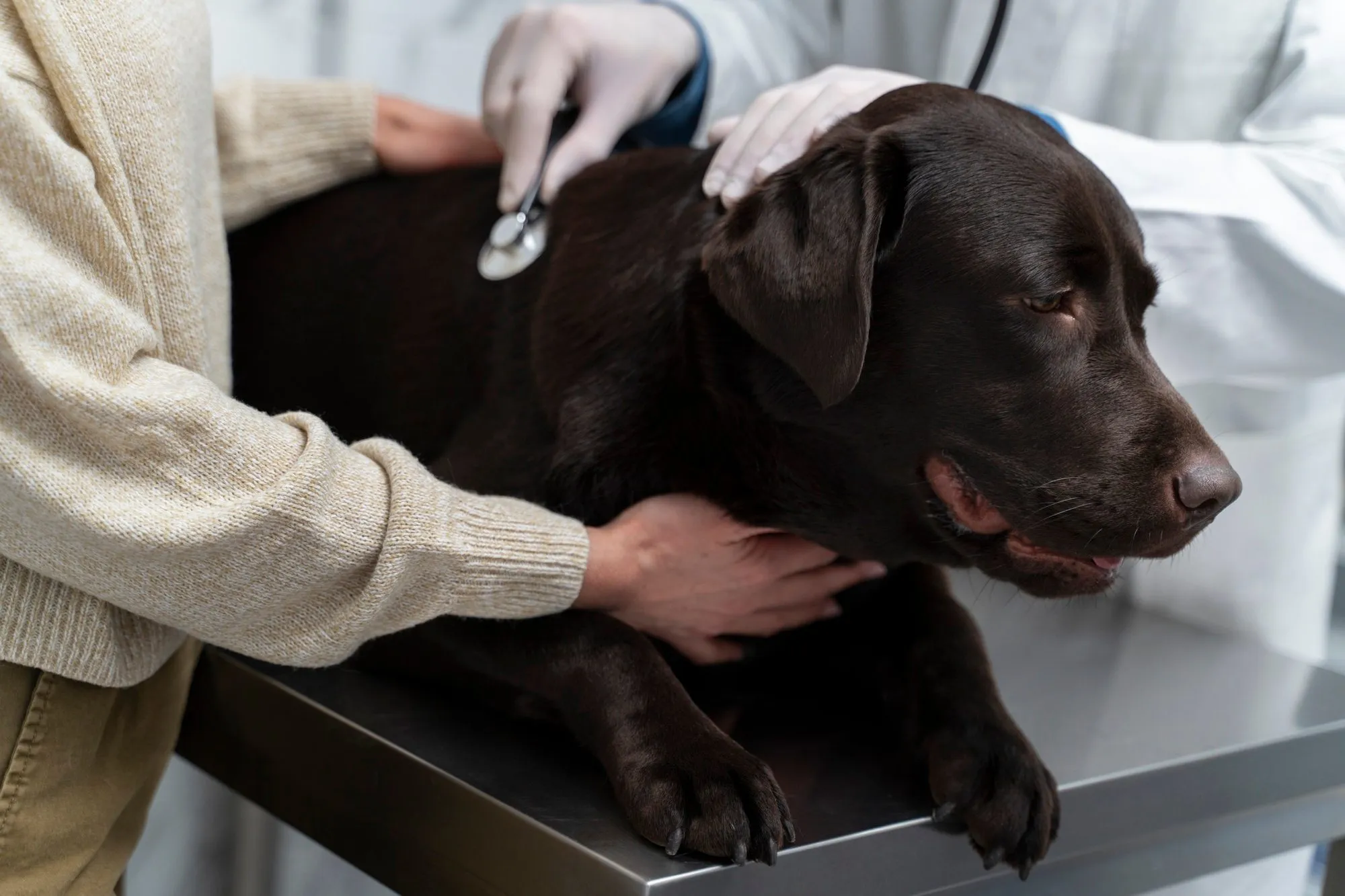
If your dog shows any of these warning signs, it is wise to schedule a comprehensive evaluation. Our comprehensive physical examinations help us assess your dog’s overall health and get to the root of digestive symptoms.
What Causes Diarrhea in Dogs?
Dog diarrhea may develop for many reasons, from dietary mishaps to serious diseases. Understanding potential causes can help you prevent future episodes and guide your decision about when to seek help.
Common Dietary Triggers
Dietary indiscretion, or eating something your dog should not, is a leading cause of diarrhea. This might include raiding the trash, sudden changes in food, or indulging in table scraps. Some dogs have sensitive stomachs and react to new treats or rich foods. Food allergies or intolerances can also cause digestive upset.
Infectious Causes and Parasites
Diarrhea can result from infections caused by bacteria, viruses, or intestinal parasites. Giardia, roundworms, hookworms, and whipworms are among the common culprits. These parasites are more prevalent in certain environments and can be picked up during walks, at dog parks, or through contaminated water. Routine parasite prevention and testing are key to reducing these risks. To learn more about parasite control, visit our page on parasite prevention and education.
Underlying Health Concerns
Sometimes, diarrhea is a symptom of a more significant medical issue. Conditions such as inflammatory bowel disease, food allergies, liver or kidney disease, and certain cancers can all present with chronic or recurring diarrhea. Stress, sudden changes in environment, or even anxiety can also disrupt your dog’s digestive system.
When the cause is not immediately clear, our diagnostic laboratory services allow our veterinary team to investigate further, ensuring we identify and address the underlying concern.
How Our Team Diagnoses and Treats Dog Diarrhea
When your dog comes to Pacific Grove Animal Hospital for diarrhea, our approach is thorough and compassionate. We start with a detailed history and physical examination, then tailor diagnostics and treatment to your dog’s needs.
The Diagnostic Process
A veterinarian will ask about the onset, frequency, and appearance of your dog’s diarrhea, any changes in diet, possible exposure to toxins, and any additional symptoms. A physical exam often reveals clues such as abdominal discomfort or dehydration. Depending on the situation, we may recommend fecal testing to check for parasites, bloodwork to assess organ function, or imaging studies like X-rays or ultrasound if a more serious condition is suspected.
Treatment Options
Treatment for dog diarrhea depends on the underlying cause and the severity of symptoms. For mild, uncomplicated cases, supportive care may involve temporary fasting (withholding food for a short period), a bland diet transition, and careful monitoring at home. For dogs with more severe or prolonged symptoms, dehydration, or underlying illness, treatment may include intravenous fluids, anti-nausea medications, antibiotics if a bacterial infection is identified, or targeted parasite treatments.
In some situations, dietary changes are recommended. Our veterinary nutrition services can help assess your dog’s current diet and provide guidance on the best food to support digestive recovery.
At-Home Care for Dogs with Mild Diarrhea
If your dog’s diarrhea is mild and your dog seems otherwise well, there are steps you can take at home while monitoring closely. Begin by removing food for 12-24 hours (always ensure access to fresh water). After this rest period, gradually reintroduce a bland diet, such as plain boiled chicken and white rice, in small frequent meals. Continue this diet for a few days, then slowly reintroduce your dog’s normal food. Watch closely for any worsening signs, and ensure your dog stays hydrated.
Avoid giving over-the-counter medications or home remedies without veterinary guidance, as some can be harmful to dogs. If your dog is very young, very old, or has an underlying health condition, consult your veterinarian before attempting home management.
Preventing Dog Diarrhea: Tips for Long-Term Digestive Health
While not every case of dog diarrhea is preventable, there are steps you can take to reduce the risk of future episodes. Feed a consistent, high-quality diet suited to your dog’s needs, and avoid abrupt changes in food. Limit access to table scraps and prevent your dog from scavenging during walks. Stay up to date on parasite prevention, and schedule regular veterinary exams to catch early signs of digestive issues. Clean water, a safe environment, and minimizing stress can also help support a healthy gut.
If you have questions about parasite control, visit our parasite prevention and education page for more resources.
When to Call the Veterinarian for Dog Diarrhea
Knowing when to seek veterinary care is crucial. Contact Pacific Grove Animal Hospital if your dog has diarrhea lasting longer than 24-48 hours, is showing signs of dehydration, is vomiting repeatedly, appears lethargic, or has blood in the stool. Puppies, senior dogs, or dogs with chronic diseases should be evaluated sooner, as they are at higher risk for complications.
If your dog’s symptoms are severe or you are uncertain about next steps, our team is here to help. We can recommend diagnostics and treatments to address both the symptoms and the underlying cause, ensuring your dog recovers as comfortably and quickly as possible.
Comprehensive Care for Dog Diarrhea in Pacific Grove
Dog diarrhea is a common but sometimes concerning issue for pet owners. With the right support, most dogs recover fully and quickly. At Pacific Grove Animal Hospital, our veterinary team is dedicated to providing compassionate, expert care for every dog and their family. If you are searching for a “vet near me” who can help with dog diarrhea in Pacific Grove or surrounding communities, we encourage you to contact us for guidance or to schedule an appointment.
To get started, call us at (831) 318-7483 or visit our location at 1023 Austin Avenue, Pacific Grove, CA 93950. Our team can provide same-day care for urgent concerns, answer your questions, and support your dog’s digestive health with comprehensive exams, diagnostics, and nutritional counseling. For more information about our approach to digestive issues, explore our diagnostic laboratory services and urgent care options.
Your dog’s health is our priority, and we are here to help you navigate every digestive concern with confidence and care. If you have questions or need to address dog diarrhea, reach out to Pacific Grove Animal Hospital today.