Caring for birds, reptiles, and small mammals brings joy, fascination, and a unique set of challenges. As an exotic animal owner in Pacific Grove and surrounding communities, you know your animal’s quirks better than anyone. But when unusual behaviors or sudden health changes arise, it can be difficult to decide if you are facing a minor issue or a true emergency. At Pacific Grove Animal Hospital, located at 1023 Austin Avenue, Pacific Grove, CA 93950, our team of veterinarians is passionate about exotic animal medicine and is here to support you during those stressful moments.
This blog will guide you through the critical signs that mean your exotic pet needs urgent care, the common causes behind these symptoms, how such emergencies are managed at our hospital, prevention strategies, and clear guidance on when to call for immediate veterinary help. Whether your companion is a parrot, bearded dragon, rabbit, or guinea pig, knowing when to seek help can make all the difference. We believe in educating and empowering you as an exotic animal owner, so you can act with confidence and protect your animal’s health. If you need urgent advice or care during business hours, our urgent care services for exotic pets are available to help.
Recognizing Emergency Signs in Exotic Pets
Exotic animals often mask illness until they are very sick, making it essential for owners to be vigilant about even subtle changes. For birds, warning signs include fluffed or ruffled feathers, sitting at the bottom of the cage, labored breathing, changes in droppings, sudden inability to perch, or bleeding. Reptiles may show signs like open-mouth breathing, severe lethargy, failure to bask, swelling, abnormal shedding, or unresponsiveness. Small mammals such as rabbits, guinea pigs, and ferrets may exhibit symptoms like refusal to eat or drink, continuous teeth grinding, sudden weakness, difficulty breathing, or blood in urine or feces.
Key symptoms in any exotic species that require prompt attention are severe breathing difficulty, sudden collapse or unresponsiveness, uncontrolled bleeding, severe trauma, persistent vomiting or diarrhea, seizures, and complete loss of appetite for more than 24 hours. Because exotic pets are prey species and hide illness well, even less dramatic changes—like subtle weight loss, decreased activity, or a change in normal behavior—can signal a brewing emergency.
Why Do Exotic Pet Emergencies Happen?
Understanding why exotic pets are prone to rapid health declines can help you respond appropriately. Birds have very high metabolic rates and limited fat reserves; a missed meal or ongoing stress can quickly become life-threatening. Reptiles are sensitive to environmental changes, such as temperature or humidity fluctuations, which can lead to respiratory infections or metabolic crises. Small mammals are susceptible to digestive stasis, especially if their diets are not ideal; for example, rabbits can develop gastrointestinal blockages from fur or inappropriate foods, while guinea pigs require constant vitamin C and suffer quickly if they do not receive it.
In many emergency cases, the underlying causes include infections, injuries from falls or cage accidents, exposure to toxins (like nonstick cookware fumes for birds or inappropriate plants for reptiles), and stress from environmental changes. Sometimes, an emergency arises suddenly—a bird flies into a window and fractures a wing, or a reptile is accidentally overheated due to a malfunctioning heat lamp. At other times, gradual changes in environment or nutrition lead to acute illness, such as a ferret developing insulinoma or a rabbit experiencing gastrointestinal slowdown.
How Our Team Treats Exotic Pet Emergencies
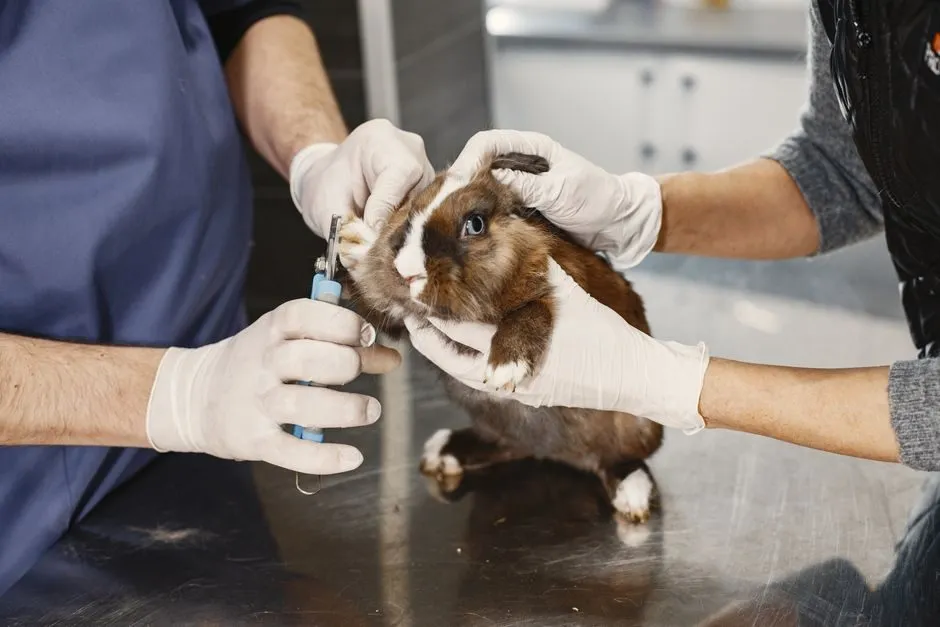
When you bring your exotic pet to Pacific Grove Animal Hospital for urgent care, our veterinary professionals begin with a rapid assessment tailored to the unique needs of birds, reptiles, and small mammals. We know that time is critical; prompt stabilization may involve oxygen therapy for birds with respiratory distress, fluid support for dehydrated reptiles, or pain management and nutritional support for small mammals experiencing digestive stasis.
Diagnostic tools such as digital radiology, bloodwork, and specialized imaging help us identify internal issues quickly. For trauma cases, wound care and fracture stabilization are provided with techniques adapted to fragile bones or delicate skin. In cases of toxin exposure, our team will work to identify the source and provide antidotes or supportive care as needed. With every emergency, our veterinarians draw on advanced training in zoological medicine to ensure that each species receives the care it requires.
We understand that seeing your animal in distress is overwhelming, and we keep you informed throughout the process. Our approach includes explaining each step of the diagnostic and treatment plan, discussing prognosis, and supporting your decisions, whether your animal requires hospitalization, surgical intervention, or intensive supportive care. You can read more about our veterinarian’s exotic animal expertise by visiting Dr. Brynie Kaplan Dau’s biography.
Prevention and Home Care: Reducing Emergency Risk
While not every emergency can be prevented, many can be minimized with attentive daily care and routine veterinary visits. For birds, maintaining a stable environment, providing a balanced diet, offering plenty of enrichment, and ensuring safe cage setups help prevent injuries and stress-related illness. Reptile owners should focus on proper temperature gradients, humidity control, UVB lighting, and species-appropriate diets to avoid metabolic and respiratory problems. For small mammals, offering fresh hay, clean water, safe bedding, and appropriate chew materials supports digestive and dental health.
Observing your exotic pet daily and keeping records of weight, behavior, and appetite can help you catch problems early. If you notice a change in droppings, activity level, or eating habits, schedule a comprehensive physical exam promptly rather than waiting for symptoms to worsen. Additionally, regular check-ups allow our veterinarians to screen for subtle health concerns, recommend husbandry improvements, and provide tailored preventive care advice.
At home, avoid exposing your exotic animal to household toxins, sudden drafts, or loud noises. Always supervise interactions with other pets or children, and inspect enclosures regularly for hazards. If your animal escapes, is injured, or suddenly looks unwell, contacting your veterinary team immediately is the safest choice.
When to Seek Veterinary Care: Clear Guidelines for Exotic Owners
Knowing when to call for help can save your animal’s life. Any time your bird, reptile, or small mammal shows signs of respiratory distress, collapse, uncontrolled bleeding, seizures, or inability to move, treat this as an emergency and contact us right away during business hours. For less dramatic changes, such as mild limping, small wounds, or brief appetite loss, monitor your animal closely and reach out for advice if symptoms persist or worsen within a few hours.
If you are ever unsure whether your exotic animal’s symptoms warrant urgent care, it is always safer to call and speak with our veterinary team. We can help assess the situation over the phone and determine if an immediate visit is needed. Delaying care for exotic pets, even by a few hours, can have serious consequences due to their rapid metabolic changes and tendency to hide illness.
For emergencies outside of business hours, have a plan in place by researching local after-hours exotic animal resources. Whenever possible, bring any relevant information with you (such as the animal’s diet, recent weight, or photographs of droppings) to help guide our evaluation and treatment.
Supporting Exotic Animal Health in the Pacific Grove Community
At Pacific Grove Animal Hospital, we are dedicated to supporting exotic animal owners with compassionate, knowledgeable care. Our team recognizes the special bond you share with your animal and the unique worries that come with guardianship of birds, reptiles, and small mammals. We encourage you to trust your instincts—if something seems off, it is always best to contact us promptly.
If you notice any warning signs or sudden changes in your animal’s health, do not hesitate to call (831) 318-7483 to schedule an appointment or discuss your concerns. Our hospital at 1023 Austin Avenue, Pacific Grove, CA 93950 proudly serves Pacific Grove and surrounding communities, providing urgent care and routine health checks for a wide range of exotic species. If you search for a veterinarian near me who understands the needs of exotic pets, our team is ready to help.
For more information about our urgent care services for exotic animals, visit our urgent care page. Your vigilance and quick action can make all the difference in your animal’s recovery. We are honored to be your trusted partner in exotic animal health.